IVO DAM: ANINRI DEMANDS ACCOUNTABILITY OVER ABANDONED IVO DAM PROJECT AS HON. ANAYO ONWUEGBU SEEKS RE-ELECTION
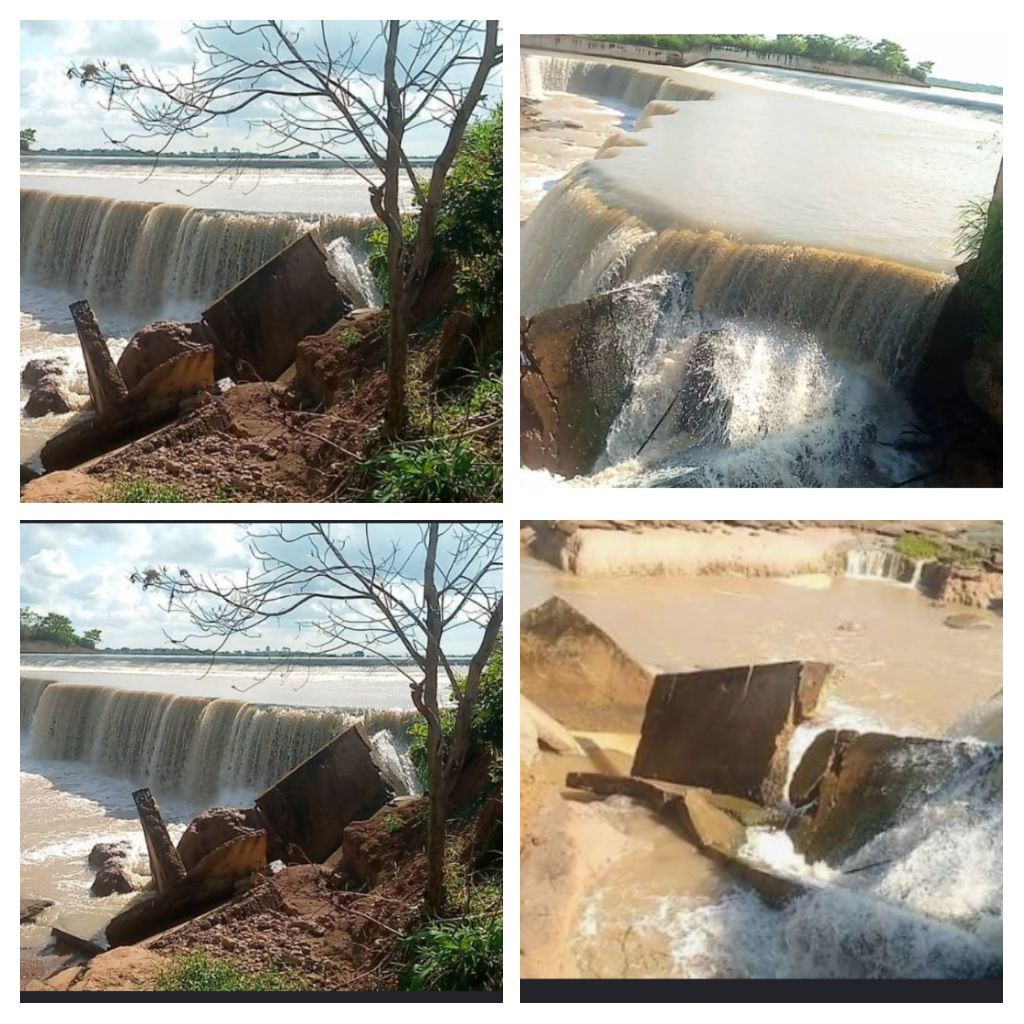

ANINRI, ENUGU STATE — As Hon. Engr. Dr. Anayo Onwuegbu seeks re-election to represent Aninri, Awgu and Oji River Federal Constituency, the long-running abandonment of the Ivo River Dam project raises important questions about public accountability, legislative oversight and the delivery of critical infrastructure to the people.
For the people of Aninri, particularly the farming communities around Mpu, okpanku, the Ivo Dam is more than an unfinished federal project. It represents years of delayed development, lost agricultural opportunities and continuing concerns about flooding, livelihoods and access to essential water infrastructure.
The most troubling aspect of this controversy is that Anbeez Services Nigeria Limited, the company awarded the contract to continue the project in 2014, is headed by Anayo Onwuegbu as its managing director, according to a report published by The Guardian on January 15, 2021.
That documented connection makes the project's prolonged non-completion a legitimate subject of public scrutiny, especially now that Onwuegbu is seeking another electoral mandate.
The history of the Ivo Dam project provides essential context.
According to Nigeria's 2012 Budget Implementation Report, the federal government initially awarded the project to D.A. Construction Limited in 2009 at a contract sum of approximately ₦2.14 billion. Work commenced in February 2010, with completion originally scheduled for February 2012.
However, the contractor was considered unable to deliver the project as scheduled. The government subsequently arranged for Anbeez Services Limited to take over the execution and completion of the contract, with December 2014 set as the revised completion date.
The project was intended to support irrigation, agricultural production and other water-related economic activities in the host communities.
Yet the revised completion deadline passed without the project being delivered.
The International Centre for Investigative Reporting (ICIR) later reported that the contract had been transferred to Anbeez Services Limited in 2014, but the project remained incomplete. In January 2023, TheCable reported that the dam had been abandoned for more than a decade, despite billions of naira having been budgeted for it.
These are not merely political allegations. They are documented developments in the history of a public infrastructure project.
THE CENTRAL QUESTION: WHAT HAPPENED UNDER ANBEEZ SERVICES?
The question confronting the public is straightforward: why did a project transferred to Anbeez Services Limited for completion remain unfinished years after the company assumed responsibility?
This question deserves particular attention because the company's managing director, Anayo Onwuegbu, subsequently entered elective politics and now represents the federal constituency that includes Aninri.
To be clear, the available reporting does not establish that Onwuegbu personally caused the project's abandonment or that he misappropriated public funds. Nor does the company's involvement alone establish wrongdoing.
However, his documented leadership of the contracting company makes it reasonable for citizens to demand transparent answers about the company's performance, the contractual obligations it accepted and the circumstances surrounding the project's prolonged delay.
The public deserves to know the scope of work assigned to Anbeez Services, the amount actually released to the company, the value of work completed, the outstanding contractual obligations and the steps taken to resolve the project's continuing problems.
A project cannot be judged solely by the amount allocated to it or the promises made about its benefits. Its actual delivery must also be examined.
If the federal government failed to release the necessary funds, as the company has maintained, that claim should be supported by a transparent account of payments due, payments received, approved variations and the reasons work stopped.
If technical, contractual or administrative challenges contributed to the delay, those circumstances should also be documented.
Aninri deserves facts, not speculation.
BILLIONS BUDGETED, BUT WHERE IS THE COMPLETED PROJECT?
In its January 2023 report, TheCable stated that more than ₦4.5 billion had been budgeted for the Ivo Dam project since 2012.
An earlier ICIR investigation reported that more than ₦7 billion had been earmarked for the project over time.
These figures refer to reported budgetary allocations and earmarked sums; they should not automatically be interpreted as the amount paid directly to Anbeez Services Limited.
That distinction is important. Budgetary provision, actual government releases, payments to contractors and verified construction expenditure are different financial categories.
Nevertheless, the disparity between the project's reported financial history and its prolonged non-completion demands a comprehensive audit.
In January 2023, the House of Representatives called on the Federal Ministry of Water Resources to complete the abandoned project. The lawmakers also directed the relevant committees to ensure that the contract's performance was audited.
That legislative intervention reinforces the need for answers.
What has happened since that resolution? What did the contract audit establish? What remains outstanding? What additional funding is required, and what safeguards will ensure that further public expenditure produces a completed and functional dam?
These are questions that should be answered with official records, not political arguments.
The consequences of the project's non-completion extend beyond contractual disputes and budgetary figures.
According to TheCable's 2023 report, the incomplete dam embankment has contributed to flooding in upstream communities because the project was left without a properly functioning spillway. The report cited claims that more than 40,000 acres of farmland had been inundated and more than 10,000 households affected.
Those figures were presented in the context of the legislative motion and should be independently verified through updated environmental and community assessments.
Separately, The Guardian reported in January 2021 that residents had complained of damage to farmlands and deaths by drowning associated with the dam's condition.
For farming communities around Mpu and neighbouring settlements, the consequences can be devastating. Farmland is not simply a piece of land; it is a source of food, household income and economic security.
Where flooding destroys crops or cuts off access to farms, families may lose an entire season's earnings. Where water infrastructure creates hazards without delivering its intended benefits, residents are left bearing the consequences of an unfinished development project.
The original promise of the dam was to support agriculture and improve livelihoods. The public is therefore entitled to ask why those benefits remain unrealised and what urgent measures are being taken to address the associated risks.
Any comprehensive response must include a technical safety assessment, appropriate flood-control measures, compensation reviews where legally justified and a credible plan for completing or safely rehabilitating the project.
WHAT DOES ONWUEGBU'S LEGISLATIVE RECORD SHOW?
The Ivo Dam controversy also raises a broader question about representation.
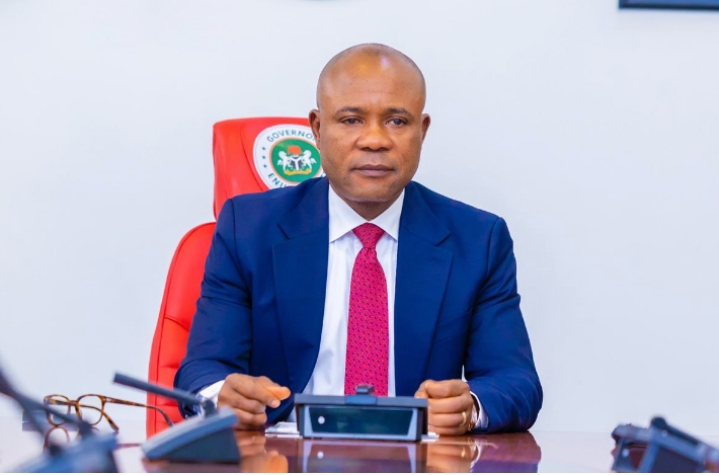
Hon. Anayo Onwuegbu represents Aninri, Awgu and Oji River at the House of Representatives. His legislative responsibilities include representing constituents' interests, raising concerns about public projects and using the available parliamentary mechanisms to demand answers from relevant federal institutions.
The dam's prolonged non-completion therefore deserves scrutiny not only as a contractor-related issue but also as a matter of public oversight.
However, the available reports cited here do not establish the full extent of Onwuegbu's legislative interventions specifically concerning the Ivo Dam since his election.
That record should be examined through parliamentary motions, committee proceedings, official correspondence and documented engagements with the Federal Ministry of Water Resources.
Did he formally demand an update on the contract? Did he seek the publication of the project's audit findings? Did he press for a clear completion timetable and measures to protect affected communities?
These questions are fair because the people of Aninri deserve to assess both the performance of public contractors and the effectiveness of their elected representatives.
Representation should be measured through verifiable actions and results, not merely political visibility.
SEEKING RE-ELECTION: THE QUESTIONS ANINRI DESERVES TO ASK
As Onwuegbu seeks another mandate, the Ivo Dam project presents an opportunity for a serious public discussion about accountability.
The questions are not complicated:
-
Contract performance: What work did Anbeez Services Limited undertake after receiving the contract in 2014, and what remains incomplete?
-
Financial transparency: How much money was approved, released and paid for the project, and how does that compare with the verified value of work completed?
-
Contractual disputes: What amounts, if any, remain outstanding to the company, and what documentary evidence supports the company's explanation for the delay?
-
Legislative oversight: What specific steps has Onwuegbu taken as a federal lawmaker to obtain an update, demand an audit or press for the project's completion?
-
Community protection: What immediate measures are being pursued to address flooding, protect farmland and reduce risks to residents while the project remains incomplete?
-
Completion plan: What is the current official status of the project, what work remains, and when can host communities realistically expect a safe, functional facility?
These are not questions that can be settled by personal attacks or party loyalty. They require documents, official explanations and measurable commitments.
Onwuegbu and the relevant federal authorities should have the opportunity to provide their responses, which should be published alongside the evidence.
ANINRI NEEDS ANSWERS, NOT ANOTHER CYCLE OF PROMISES
The Ivo Dam project began with the promise of agricultural development and improved livelihoods. Its prolonged delay has instead generated years of concern about public spending, flooding, lost farmland and the absence of the benefits residents were promised.
The documented history shows that the original contractor was replaced, Anbeez Services Limited took over the project, and the dam remained incomplete long after its revised completion date. The House of Representatives subsequently called for urgent completion and an audit of the contract's performance.
The central issue now is accountability.
Onwuegbu's position as managing director of the company that took over the project, alongside his later role as an elected representative, makes public clarification particularly important. But accountability must be grounded in evidence, and responsibility for the project's outcome must be established through a transparent examination of the contract, funding decisions and construction records.
The federal government must explain the project's present status. The contractor must account for its performance and contractual obligations. Relevant oversight institutions must disclose the findings of any audit. And the lawmaker must make his documented efforts to address the problem available for public scrutiny.
As Hon. Anayo Onwuegbu seeks re-election, the people of Aninri deserve clear answers about the Ivo Dam—not just another promise that the project will eventually be completed.
For Ndi Aninri, the demand is straightforward: publish the records, establish responsibility, protect affected communities and deliver a credible plan for completing the project safely.
Public office is a responsibility, and public contracts require transparency. The people deserve to know what happened to a project intended to improve their lives and what concrete steps will finally bring it to completion.
The Voice of the Masses — Vox Populi, Vox Dei.
Leave a Reply
Your email address will not be published. Required fields are marked *



.jpg)